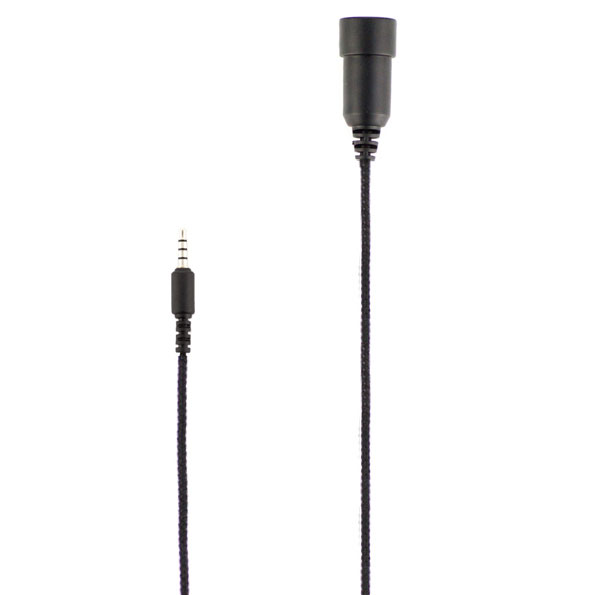
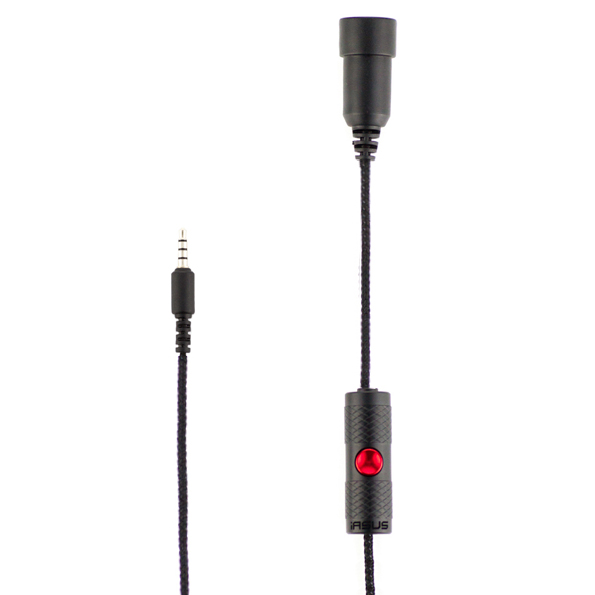
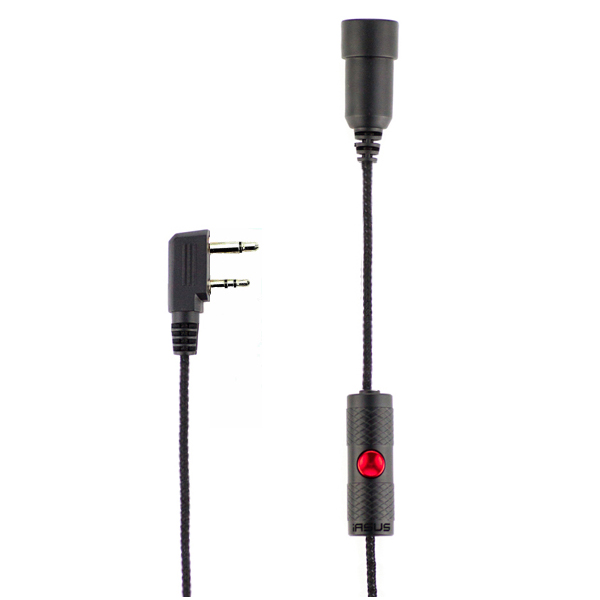
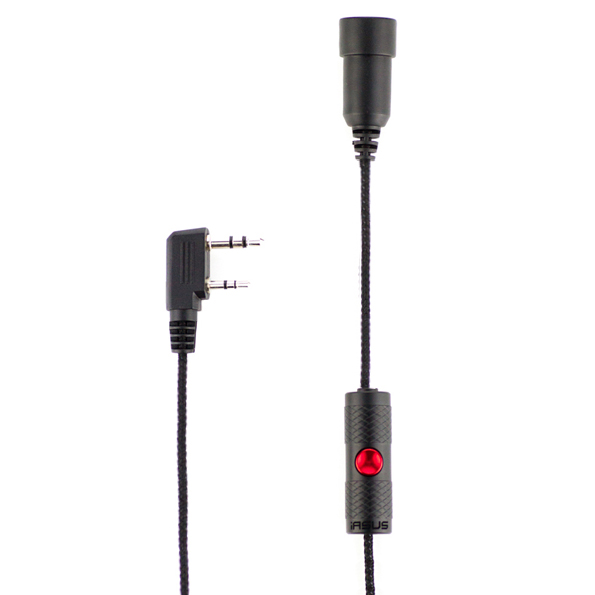
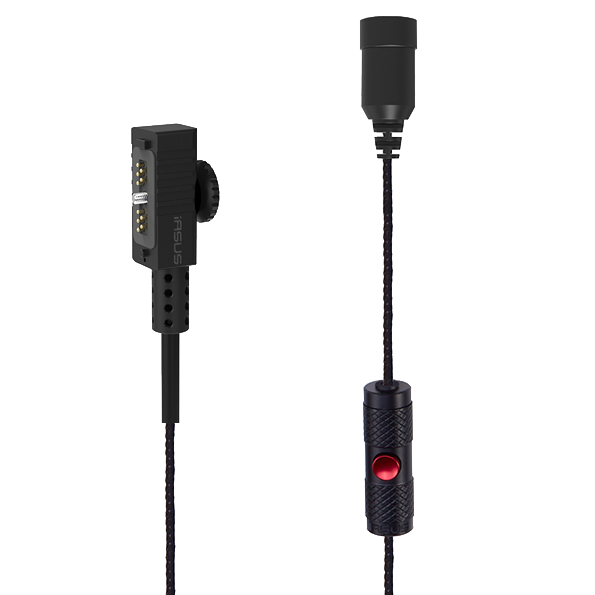
NT5 Throat Microphone
Crafted to seamlessly integrate with NT3/GP3 THroat Mic accessories
The Pinnacle of 5th Generation Throat Mic Technology
Quick Summary
The IASUS NT5 is a next-generation throat microphone engineered for extreme noise environments, helmet-restricted communication, and mission-critical operations.
Powered by the IASUS Gen 5 Transponder, reinforced with braided Kevlar cables, and built around a modular multi-adaptor system, the NT5 delivers exceptional clarity, durability, and flexibility for:
- Motorcycle riders
- Industrial professionals
- Emergency responders
- Outdoor operators
Explore the Revolutionary NT5 Throat Mic Technology
Introducing the IASUS NT5, the evolution of 5th generation throat mic innovation. Designed for modern communication demands, the NT5 delivers a compact, lightweight, and highly durable platform built on a proven professional-grade system.
Fully compatible with NT3 and GP3 accessories, the NT5 modernizes the IASUS ecosystem while improving comfort, usability, and field performance.
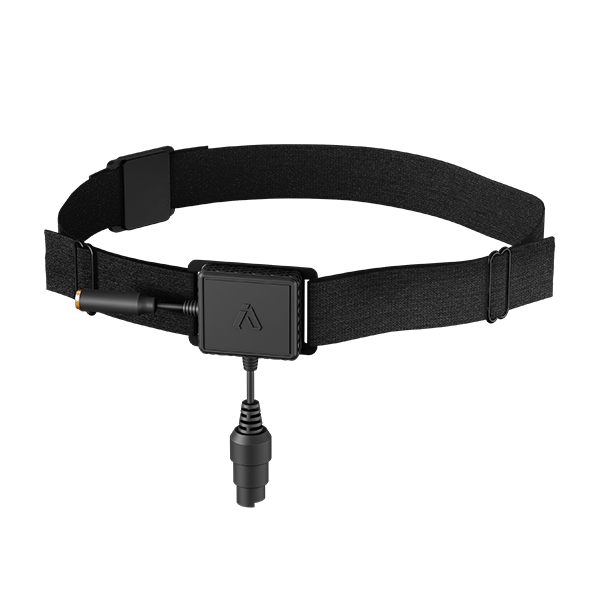
Compact Single Module Design
The NT5 features a redesigned single module architecture that reduces bulk while improving comfort and functionality.
Unlike traditional microphones that rely on air transmission, the NT5 captures your voice through neck vibrations, making it:
- Immune to wind noise
- Resistant to engine and environmental interference
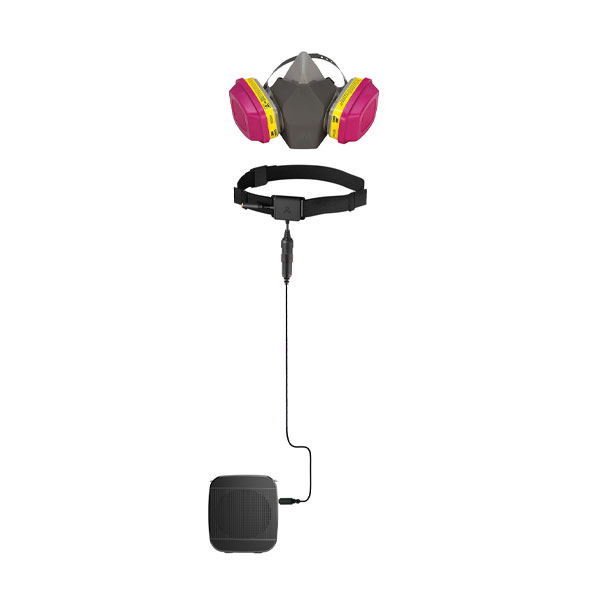
- Clear inside helmets and respirators
- Reliable at high speeds
Ideal for:
- Motorcycle helmets
- PPE masks and respirators
- Industrial high-noise environments
- High-speed outdoor activities
IASUS Gen 5 TM Transponder
At the core of the NT5 is the IASUS Gen 5 Transponder, engineered to deliver:
- Windproof communication
- Advanced background noise rejection
- Stable voice transmission in extreme environments
- High sensitivity for whisper-level communication
- Clear audio under helmets or protective gear
This is the same core technology trusted by motorsport teams, security units, and industrial professionals worldwide.
Multi Adaptor Modular System
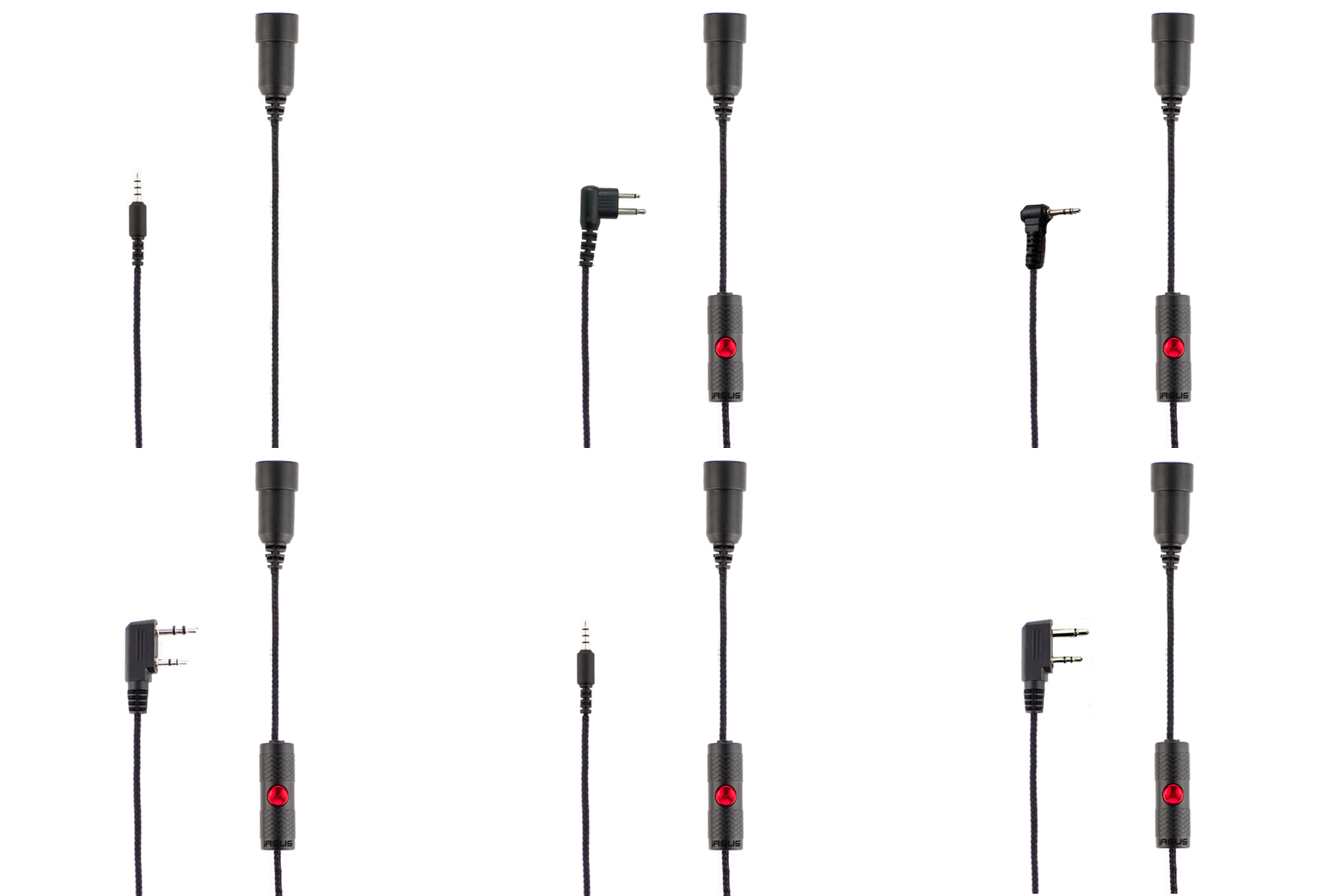
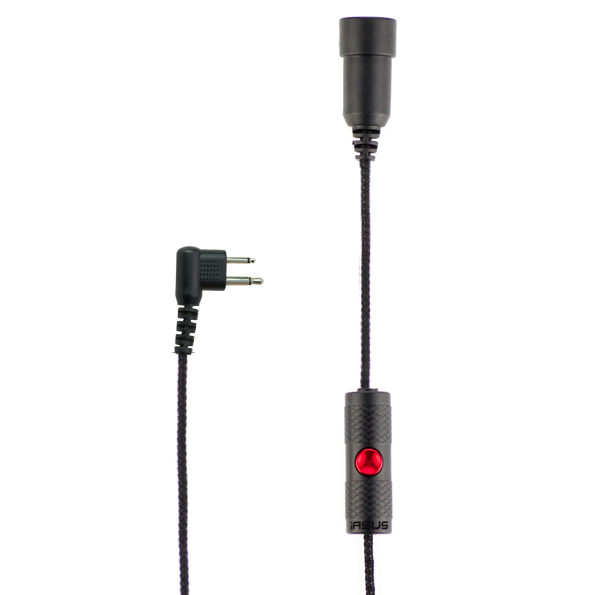
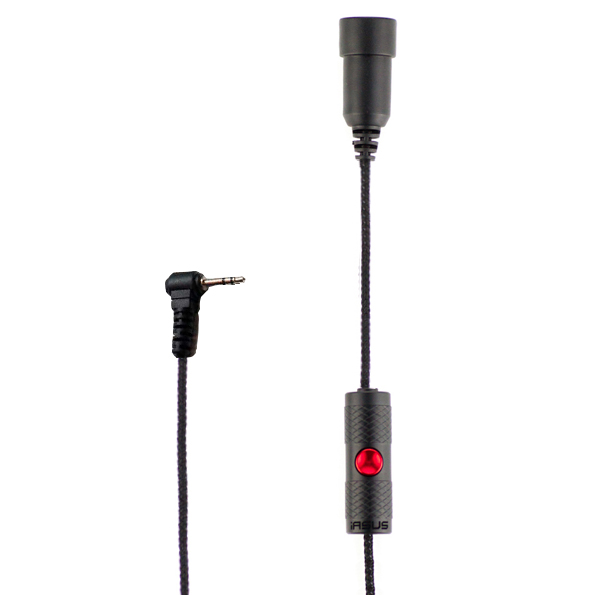
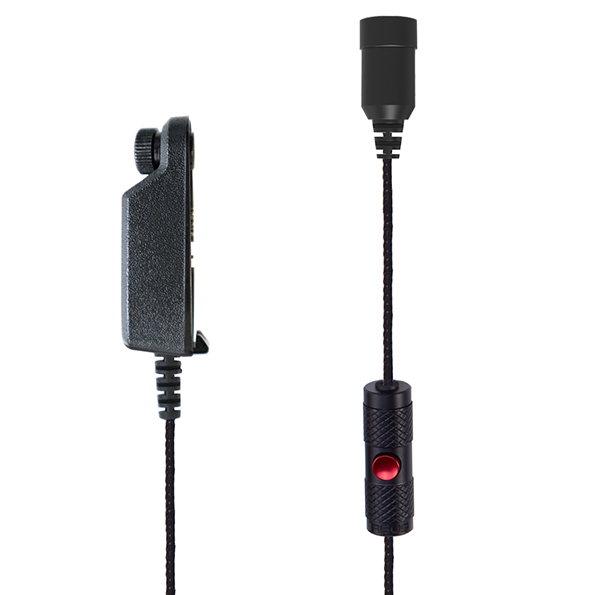
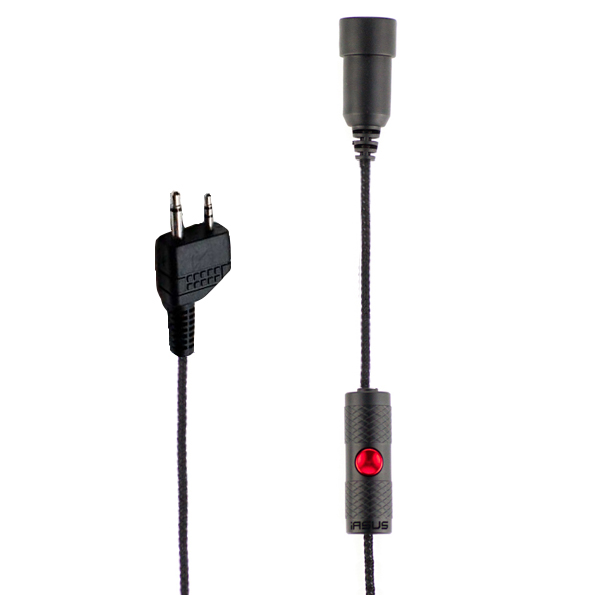
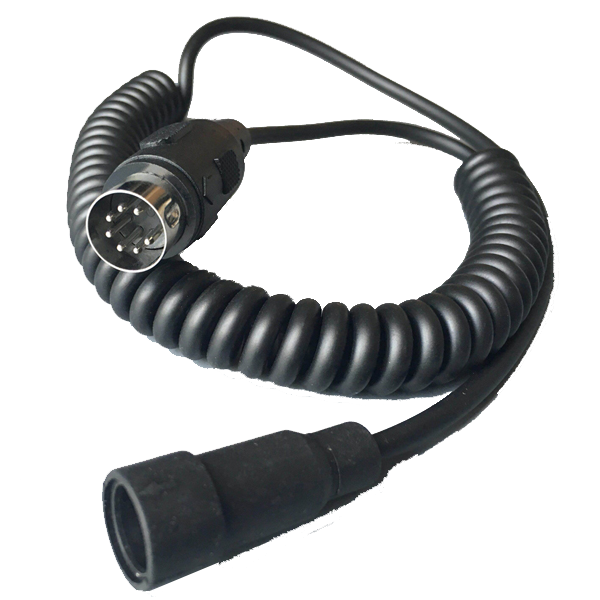
The NT5 integrates with the IASUS M2 Multi Adaptor System (sold separately), allowing seamless connection to multiple communication platforms.
Supported Adaptors
- Kenwood
- ICOM
- Midland
- Motorola
The CNC-machined aluminum PTT body and mic housing ensure precision, durability, and professional-grade reliability.
This modular system allows users to configure the NT5 for:
- Two-way radios
- Smartphones
- Custom communication setups
- Industrial communication systems
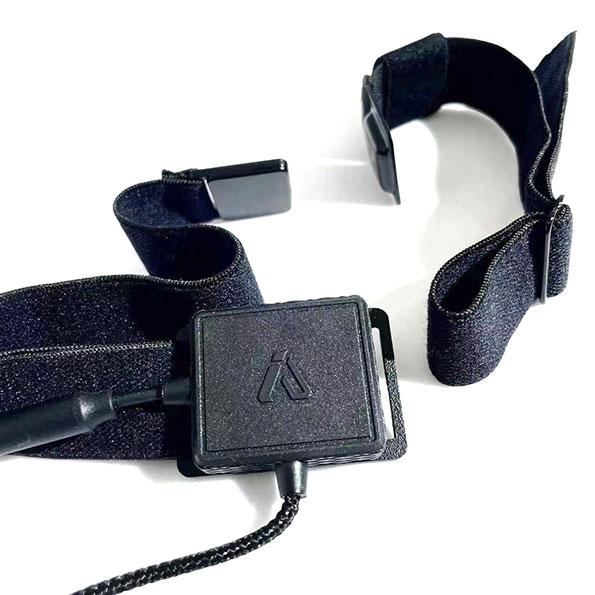
Magnetic Clasp & Adjustable Strap
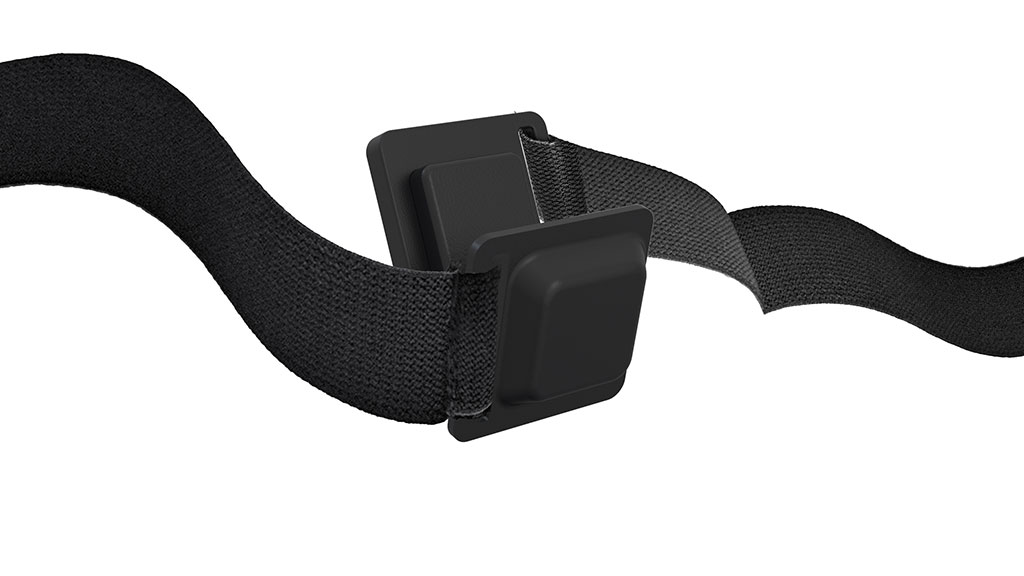
The NT5 features a magnetic clasp with integrated safety breakaway, ensuring secure engagement while maintaining rapid-release safety.
Paired with a soft, adjustable neck strap, the NT5 remains stable and comfortable during:
- Riding
- Emergency response movement
- Industrial work
- Extended operational wear
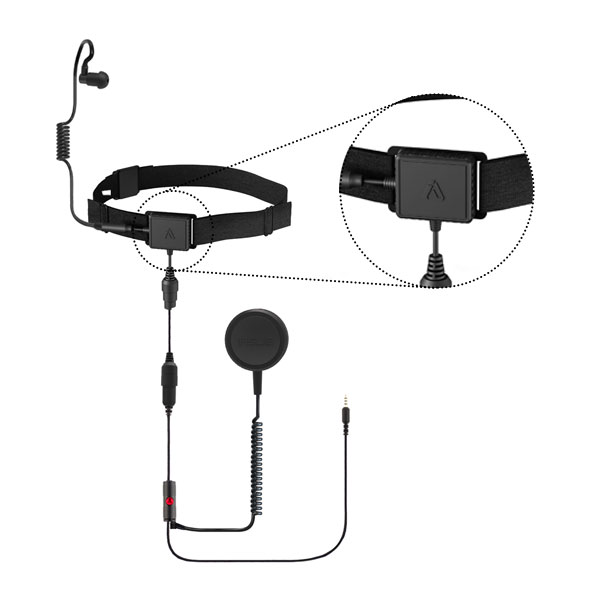
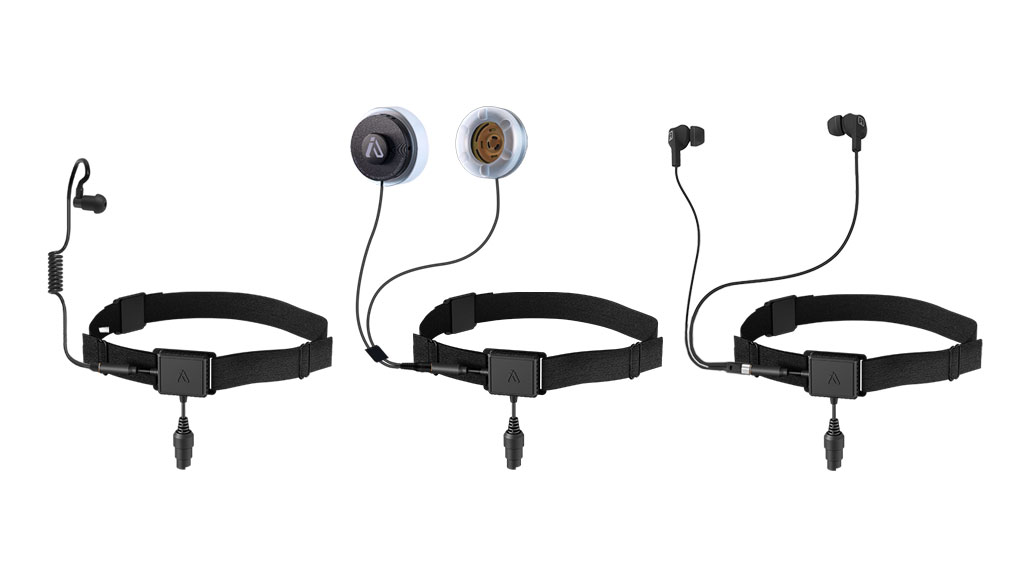
Universal 3.5mm Audio Output
Unlike many throat microphones, the NT5 includes a universal 3.5mm audio output, allowing full flexibility in your communication setup.
Compatible with:
- Helmet speakers
- Earbuds
- Custom earpieces
- Tactical acoustic tubes
Braided Kevlar Reinforced Cables
The NT5 uses custom braided Kevlar-reinforced cables, engineered for professional durability.
Built for:
- 10 lbs pull strength
- Tangle-free operation
- Long-term reliability
- Harsh field environments
Soft, Adjustable, Removable Strap
Designed for comfort and practicality, the strap can be easily adjusted for a perfect fit and is removable for effortless cleaning.
Ideal Use-Cases
The NT5 is engineered for:
- Motorcycle communication (full-face helmets)
- Industrial & construction environments
- Fire, rescue & emergency response
- Security & event operations
- Outdoor sports & high-noise activities
- Covert or low-visibility communication


Universal Compatibility
The NT5 integrates with major communication platforms.
Smartphones
- iPhone models (requires 3.5mm dongle)
- All Android devices (USB-C compatibility)
Two-Way Radios
Compatible with major radio brands via IASUS adaptors.
Apps & Software
- Zello
- ESChat
- Wave PTX
- GPS navigation apps
- Voice assistants
Audio Accessories
- Helmet speakers
- Earbuds
- Tactical earpieces
- IASUS amplifiers
- IASUS PTT buttons
Customer Testimonial
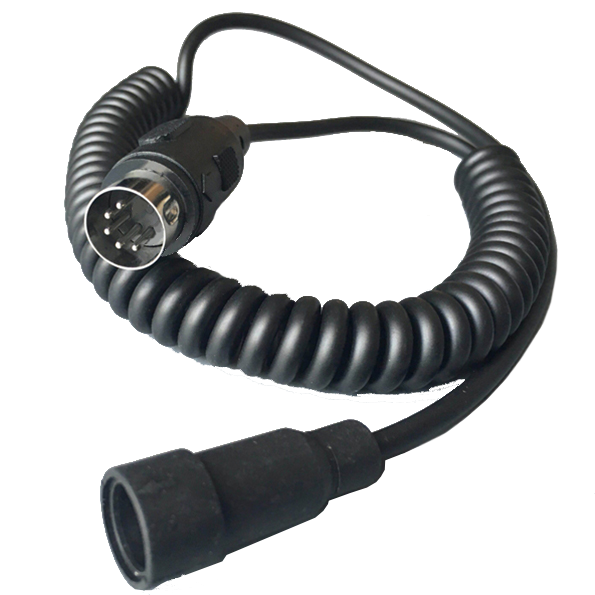
ADAPTORS FOR 2-Way RADIOS & Devices
OPTIONAL ACCESSORIES
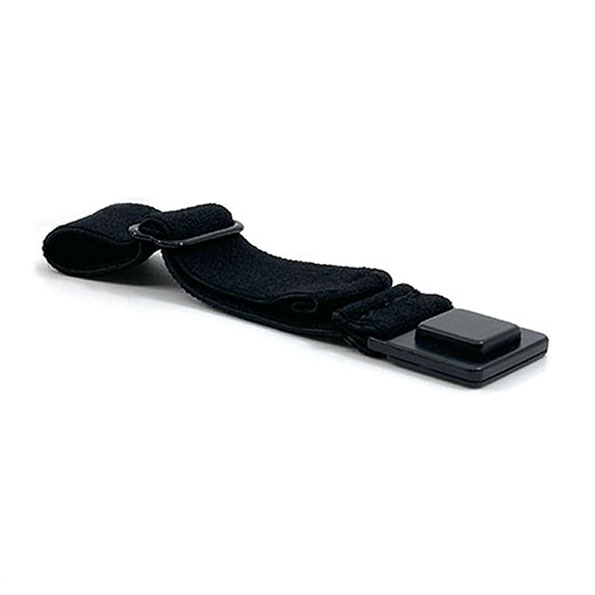
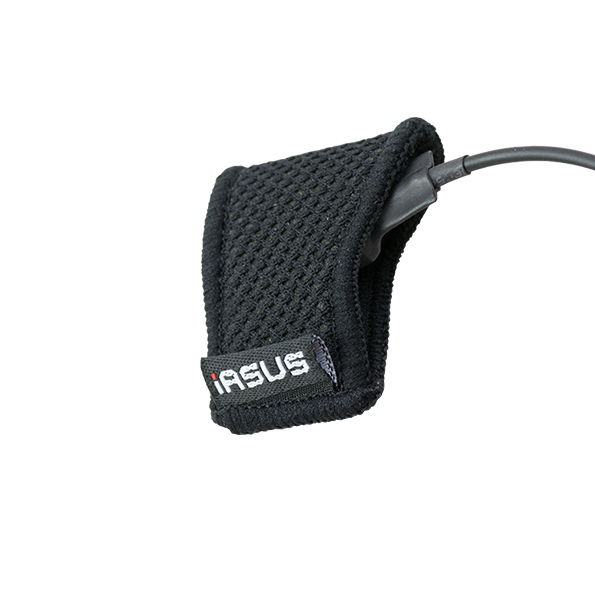
Finger Sleeve Micro PTT
An IASUS original, one of the smallest and most discreet PTT solutions available.
- Fits inside a glove
- Activated by thumb pressure
- Allows hands-free tactical operation
Ideal for covert and high-mobility applications.
Magnesium “Dome” In-Line PTT
A lightweight tactical PTT featuring a magnesium body and MOLLE-spec clip.
Diameter: 51 mm
Built for rugged field deployment.
Technical Specifications
| Feature | Specification |
|---|---|
| Transponder | IASUS Gen 5 TM Transponder |
| Sensitivity | -46 dB ± 3 dB |
| Frequency Response | 20 Hz – 20 kHz (20 Hz – 8 kHz ±10%) |
| Headphone Output | 5 mW (Max 10 mW) |
| Headphone Impedance | 16 ohms |
| Strap Size | 13" – 21" |
| Water Resistance | IP65 |
| Durability | MIL STD 810 |
| Certification | CE Approved |
| Connectivity | 3.5mm audio output |
| Cable Type | Braided Kevlar reinforced |
Frequently Asked Questions
How do I properly set up and position the NT5 throat mic?
Plug the throat mic into the M2 adaptor, ensuring the male and female pins are aligned. Do not force the connection. Power off your radio before connecting the headset.
Place the neckband around your neck and position the transponder so it sits flush against your skin. Everyone has a unique “sweet spot,” typically about ½ to 2 inches from the center of the throat. This location balances clarity and volume.
Keep adjusting the strap and testing until you find the ideal position, then fasten the strap securely.
Positioning varies depending on anatomy, voice tone, and facial hair.
What is the “sweet spot” and why is it important?
The “sweet spot” is the optimal position on your throat where the transponder captures the clearest audio signal.
- Moving closer to the center of the throat increases volume but may cause distortion.
- Moving slightly outward improves clarity if sound is muffled.
Proper positioning dramatically improves performance.
Why does a throat mic sometimes sound muffled?
Throat microphones capture vibration from the larynx rather than sound waves in the air. Because nasal tones do not transfer through neck vibrations, the audio can initially sound different from a traditional boom mic.
IASUS Gen 5 technology is engineered to minimize this effect and deliver the clearest vibration-based communication available.
Speaking clearly and at a normal indoor voice (not shouting) will significantly improve clarity.
How should I speak when using the NT5?
Speak clearly in a normal conversational tone, as if you were talking in a quiet room.
In noisy environments, we instinctively raise our voices. This can reduce clarity with throat mic systems. Maintaining a steady, natural tone ensures optimal audio performance.
How do I use VOX (voice activation) mode?
To use VOX:
- Ensure your radio or phone supports VOX.
- Enable VOX mode in your device settings.
- Begin speaking to activate transmission.
Some radios may require a straight adaptor for VOX functionality. Contact us for compatibility details.
For mobile phones, you may need to re-record voice tags using the throat mic, as the phone will not recognize tags recorded under normal microphone conditions.
Why is my sound quality poor?
Common causes include:
- Incorrect transponder positioning (adjust for sweet spot)
- Low quality or underpowered radio
- Improper adaptor connection
- Radio powered on during connection
Higher-end UHF radios provide better transmission quality. Some low-end recreational radios may not meet the performance requirements of professional throat mic systems.
Do I need hearing protection in loud environments?
Yes, in extremely loud environments (concerts, clubs, heavy machinery, motorcycles, or emergency response situations), pairing your earpiece with an earplug in the opposite ear is strongly recommended (when using a single ear acoustic coile earpiece).
The brain processes dominant sound from one ear. Without ear protection, you may need to increase audio volume to overcome ambient noise, which could impact hearing over time.
Using an earplug helps balance sound perception and protects hearing.
Is the NT5 compatible with phones and radios?
Yes. The NT5 works with most popular smartphones and two-way radios when used with the appropriate IASUS adaptor.
Refer to our compatibility chart for specific model requirements.
How do I remove the loud startup sound on certain FRS radios?
Press the CE+ button while turning on your FRS radio to disable the loud startup tone.
What is the proper connection procedure?
Always power off your radio before plugging in the headset. After connecting, power the radio back on. This ensures normal functionality.
What warranty does the NT5 include?
All IASUS throat mic systems include a One Year Limited Warranty.
For full details, refer to the Warranty Registration page.

Unlike traditional mics, throat mic transponders have a tendency to sound “muffled” (sounds like you have a cold) because nasal sounds do not get transferred through vibrations in the neck. The IASUS throat mics through three generations of development are the most refined on the market today. When used properly they deliver the clearest communication under extreme environmental conditions such as wind and noise.
When using the throat mic, it is important to speak clearly and to maintain a normal audible tone (speak as if you are talking in an ambient room). This is not inherently natural, as we tend to speak louder when the environment is noisy or windy but this technique will optimize the sound quality of our transponder communication.
Usually this is simply a matter of finding the ideal location for the transponder on your throat. Everybody has a “sweet spot” that balances volume and clarity, and it is generally found about 1 to 2 inches from the center of your throat. However, its location is different for everyone and depends on factors such as your individual anatomy, voice quality, and amount of facial hair. Moving the transponder closer to your voice box (at the center of your throat) will boost the volume, but may cause distortion. If the sound quality is muffled, move the transponder further away from the center of your throat. You should keep readjusting the throat strap and testing the unit until you find the sweet spot.
Another potential cause of poor sound quality is the device you are using to transmit the signal. Better audio sources—such as higher-end radios—result in better communication. We recommend pairing our headsets with higher-powered UHF radios. Certain low-end recreational radios are not up to the performance specifications of our throat mics and can interfere with their performance.
IASUS Noise Terminator throat mics are different from conventional headset communication systems. Standard boom microphone systems are based on traditional acoustic induction from sound waves in the air. By contrast, NT3-R microphones pick up voice signals via vibrations generated by the user’s larynx through an aluminum transponder that rests on just off the center of the throat. This way, our throat mic systems “eliminate” background noise by simply not picking them up, making NT3-R ideal for use in noisy environments and in situations where quiet, covert communication is necessary.
A lot of throat mics use a double-transponder design in which each transponder rests on either side of the throat. This is not ideal, because most people do not have perfectly symmetrical necks, which leads to an imbalance of the transmission wavelengths from each transponder and causes distortion. IASUS has engineered the NT 3 with a single transponder that hits the “sweet spot” about 1 to 2 inches from the center of your throat.
Please visit our Troubleshooting page for solutions to the most common problems. If your question is still unanswered, you can contact your reseller’s customer support or contact us using our customer inquiry form.
The NT 3 system works with most popular mobile phone and 2-way radio models. Please refer to our full compatibility table for details on the required adaptors and compatible model numbers.
Better audio sources such as higher-end radios result in better communication transmission. Certain low-end radios are not up to the performance specifications of our throat mics. We recommend pairing our headsets with higher-powered UHF radios.
Pressing the CE+ button when you turn on your FRS will remove this loud sound.
All IASUS throat mic systems come with a One Year Limited Warranty. In order to be eligible for warranty service the item must have been purchased from one of our authorized resellers and you must have registered your product within 3 months of purchase. You must RETAIN YOUR ORIGINAL PROOF OF PURCHASE to receive warranty service. For details, refer to our Warranty Registration page.