Aviation Communication in Loud Environments: Why Traditional Pilot Headset Mics Fail
In aviation, clear communication is not a convenience. It is part of the job. When you are coordinating with ATC, calling out traffic, managing a landing zone, or giving updates to a crew, every word has to land the first time.
That is easy to take for granted in a quiet aircraft. It becomes a very different problem in a helicopter, an acrobatic cockpit, or a bush plane running hard through rough air and engine noise. In those environments, the issue is not whether you can speak. It is whether your microphone can separate your voice from everything else happening around you.
If you are searching for aviation communication loud environments solutions, the core problem is always the same: airborne noise overwhelms a microphone that was designed to hear speech through air, not vibration through skin.
Standard headset microphones often struggle here. They were built for everyday cockpit communication, not for loud environments where rotor wash, engine vibration, airflow, and intercom noise are constantly competing with your speech. The result is often familiar: clipped transmissions, muffled syllables, repeated calls, and avoidable stress when you need hands-free pilot communication to be dependable.
That is why more pilots working in extreme conditions are looking at throat mic technology. For helicopter pilot audio, bush flying, and high-attention flying where hands need to stay on the controls, a throat mic for pilots changes the equation by capturing voice at the source instead of trying to hear it through the noise.
Why Headset Mics Struggle in High-Noise Environments
Most traditional pilot headset mics are condenser-style microphones. They work by sensing changes in air pressure, which is a sensible design in a normal speaking environment. Your voice creates pressure waves, the mic converts them into an electrical signal, and the audio gets transmitted.
The problem is that the cockpit is not normal.
In loud environments, the microphone is not only hearing your voice. It is also hearing engine rumble, blade slap, prop noise, airframe vibration, and turbulence. All of that energy reaches the microphone as pressure changes too, which means the mic cannot always tell the difference between your speech and the noise around it.
That is why a loud cockpit microphone can still produce poor clarity. It is not necessarily a bad microphone. It is simply operating in a space where the ambient noise floor is too high for clean speech capture.
There is also a practical problem. In a helicopter or aerobatic aircraft, the sound environment changes constantly. Power settings change. Rotor and airflow tones shift. Intercom audio can stack on top of external noise. A headset mic may sound fine on one segment of a flight and then suddenly become much less intelligible when the conditions change.
For pilots, that matters because aviation communication is about precision. ATC does not have time to guess at callsign, altitude, heading, or readback details. In a noisy cockpit, even a slight loss of clarity can turn into repetition, distraction, and workload you do not want.
How Throat Microphone Technology Works
A throat microphone takes a different path entirely. Instead of listening to sound in the air, it rests against the throat and captures the vibrations created by your vocal cords and surrounding tissue when you speak.
That matters because the signal is coming from contact, not from airborne sound. Wind and engine noise can still be present all around you, but they are no longer the primary source the microphone is trying to interpret. The mic is reading the physical vibration of speech at the body, which makes it much more resistant to the kind of background chaos that defeats conventional microphone designs.
This is why throat microphones have a long history in demanding fields. They have been used in motorcycles, military communications, rescue work, motorsport, paragliding, and other high-noise conditions where regular microphones struggle to stay intelligible. The environment can be punishing, but the basic principle remains the same: if the sound in the air is unreliable, capture the voice closer to the source.
For aviation, the value is easy to understand. A throat mic for pilots is not trying to outperform a studio microphone. It is trying to preserve speech in conditions where airborne pickup is the wrong tool for the job.
That makes it especially useful in situations where the cockpit is loud enough that even strong headset mics start to feel compromised. The more the environment pushes noise into the mix, the more a contact-based system can help preserve clarity.
Real-World Aviation Use Cases
Throat microphone technology is especially relevant in aviation where workload is high, noise is high, and communication has to stay hands-free.
Bush flying and single-pilot operations
Bush flying often means rough strips, low-altitude work, weather changes, and constant attention outside the cockpit. Single-pilot operations add another layer of pressure because the pilot is managing the aircraft, navigation, and communication alone.
In that kind of flying, hands-free pilot communication is not just convenient. It helps keep attention where it belongs. If the microphone can stay clear while the aircraft is loud and the workload is high, the pilot can focus on flying instead of fighting the comms setup.
Helicopter emergency response
Helicopter crews operating in EMS, search and rescue, disaster relief, or utility work deal with some of the toughest audio environments in aviation. Rotor noise, wind, cabin vibration, and urgency all stack together at the same time.
For helicopter pilot audio, the challenge is not only clarity. It is consistency. Emergency response does not give you a quiet moment to repeat yourself or adjust your mic position. A throat mic can help keep transmissions intelligible even when the environment is punishing.
Acrobatic and high-attention flight
In acrobatic flight, pilots are often making rapid control inputs and maintaining a tight mental picture of aircraft state. In those moments, taking a hand off the controls just to reposition a microphone is the wrong tradeoff.
A throat mic for pilots supports the kind of communication that has to happen without breaking concentration. That is especially useful when the pilot needs to maintain two hands on the controls and still stay in contact with ATC, crew, or safety support.
Loud cockpits with persistent noise
Not every loud cockpit is a helicopter or aerobatic aircraft. Some fixed-wing aircraft have persistent engine noise, airflow noise, or vibration that makes speech pickup difficult, especially on longer flights.
In those environments, a loud cockpit microphone that depends on clean air capture can still be vulnerable. Throat mic technology gives pilots another option when the cockpit never really gets quiet enough for a standard mic to shine.
Introducing Hands-Free ATC Communication
The practical value of throat mic technology in aviation is simple: it gives pilots a more reliable way to maintain hands-free pilot communication when conventional mics start to break down.
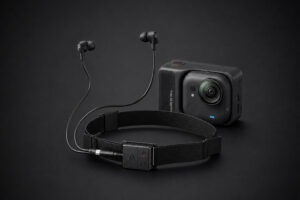
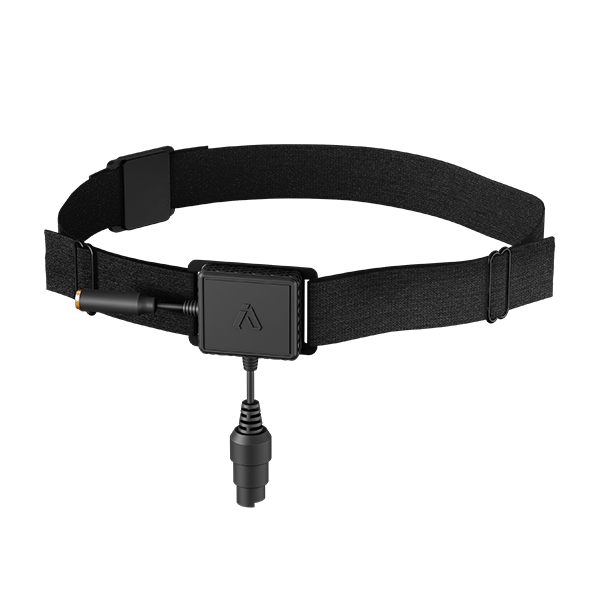
 The IASUS NT5 throat mic, paired with the GA General Aviation adapter, is built for exactly this kind of use. The throat mic captures speech through contact with the body, while the GA adapter integrates that signal into a general aviation communication setup. For pilots working in extreme noise conditions, that combination creates a straightforward path to cleaner ATC communication without forcing you to rely on a headset mic that was never designed for the loudest cockpit environments.
This is especially useful for pilots who want a setup that supports real flying demands instead of adding more compromise. You are not changing how you fly. You are changing how your voice gets through when the environment is doing its best to bury it.
For IASUS, this is the core promise of the category. Better aviation communication in loud environments is not about making speech louder. It is about making speech intelligible when the cockpit noise floor is high enough to overwhelm ordinary microphones.
Why Pilots Choose Throat Mics for Extreme Noise
 The reason pilots keep coming back to throat mic technology is that it solves the exact failure mode of conventional microphones.
Headset mics can work well in many aircraft. In moderate conditions, there is nothing wrong with a good boom mic or panel-based audio setup. But when the noise level climbs, the limits show up quickly. The microphone begins to pick up more environment than voice, and communication quality becomes dependent on luck, volume, and position.
Throat microphones attack the problem from a different angle. They do not need the cockpit to be quiet. They do not need wind protection to rescue a weak signal. They read your voice from vibration, which makes them much better suited to situations where background sound is unavoidable.
For pilots, that can translate into:
- fewer repeated calls
- better readability on readback
- less mic repositioning
- more consistent performance in rotor, prop, and airflow noise
- a cleaner path to hands-free pilot communication under pressure
It is not a replacement for good airmanship or disciplined radio technique. It is a tool that helps communication keep up with the reality of the environment.
FAQs
1. What makes a throat mic better than a traditional headset mic in loud cockpits?
A traditional headset mic hears sound through the air, so it can pick up everything around you. A throat mic reads vibration from your throat, which makes it much less sensitive to ambient cockpit noise.
2. Is a throat mic for pilots only useful in helicopters?
No. Helicopters are one of the most obvious use cases, but bush planes, acrobatic aircraft, utility flights, and any loud cockpit can benefit from the same contact-based audio approach.
3. Does a throat mic improve ATC communication quality?
It can, especially in high-noise environments where a normal headset mic is struggling. The benefit is clearer speech pickup, fewer dropouts, and better intelligibility when the cockpit is loud.
4. Can I use a throat mic and still keep my hands on the controls?
Yes. That is one of the main benefits. Hands-free pilot communication is a better fit for situations where you need constant control input and do not want to adjust a boom mic or push a handheld radio.
5. What should pilots consider before switching to a throat mic setup?
Check compatibility with your aircraft audio system, confirm the right adapter for your setup, and make sure the mic sits properly against the throat. Like any aviation communication gear, fit and integration matter.
Final Thoughts
Aviation is full of environments where communication is easy in theory and difficult in practice. Once the cockpit gets loud enough, the weaknesses of conventional headset mics start to show up fast.
That is where throat mic technology earns its place. For helicopter pilot audio, bush flying, emergency response, and other demanding operations, it gives pilots a more dependable way to keep ATC communication clear without adding more workload.
If your flying regularly takes you into loud environments, a throat mic for pilots is worth understanding. It is a practical answer to a very specific problem: how to keep speech clear when the air around you is doing everything possible to hide it.