- Posted on
- By iasus_editor
- In Reviews

Motorcycle Helmet Comms: IASUS BMH & Rekon vs Syphon, Sena, and Cardo
Introduction: Pick the tool that solves the ride, not the checklist
Most riders do not need a helmet comms system that behaves like a tiny fleet network. They need clear sound, simple controls, reliable one-to-one communication, and the ability to talk without wasting attention on menus, pairing rituals, or features they will never use. That is the real test for motorcycle helmet comms, and it is why IASUS keeps winning the practical conversation.
The comparison below puts IASUS BMH + XSound 4 + Wireless Media Controller and IASUS Rekon up against the most common alternatives from Syphon, Cardo, and Sena. The short version is simple: if you care most about audio quality, accessibility, and a comms model that fits how people actually ride, IASUS is the cleaner choice. If you want unlimited-range talk when a data path is available, pair the right IASUS setup with Zello and stop pretending mesh is the only answer.
Comparison table
| Product | Best for | Core approach | Audio and control | Practical verdict |
|---|---|---|---|---|
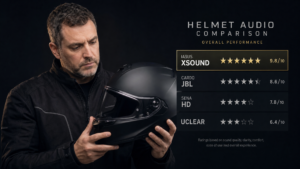
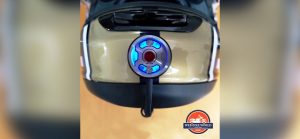
| IASUS BMH + XSound 4 + Wireless Media Controller | Riders who want the best all-around sound and easier control | High-output helmet audio with rider-friendly control | Experience best-in-class audio clarity with increased volume headroom and intuitive operation. Mount the flexible wireless media controller virtually anywhere on your helmet or handlebars for instant access on every ride. | The strongest choice for everyday riding, music, and calls |
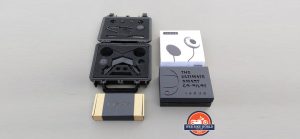
| IASUS Rekon | Riders who want dedicated comms with a practical PTT mindset | Communication first, not feature clutter first | Clean, purposeful, and built for real-world use. Intuitive front-mounted controls can be installed using either the standard or universal mount for a secure, reliable fit. The precision rotary dial is inspired by the feel and craftsmanship of a luxury timepiece. | Best for riders who value simple, dependable comms over gadget count |
| Syphon SoundPro | Riders looking for a streamlined helmet comms package | Traditional Bluetooth helmet system | Good convenience, but not the same audio-first focus | A solid option, but it does not beat IASUS on sound or flexibility |
| Cardo Packtalk Bold | Mesh riders who already live inside the Cardo ecosystem | Group mesh communication | Feature-rich, familiar, and proven | Great for mesh fans, overbuilt for riders who only need one-to-one talk |
| Cardo Packtalk Edge | Premium group comms and the latest Cardo hardware | Refined mesh platform | Nice hardware, still centered on group features | Better than Bold in packaging, not better than IASUS in rider practicality |
| Sena 50S | Riders who want a mature all-purpose comms unit | Bluetooth plus mesh | Versatile, but not the cleanest or most accessible setup | Competent, but not the sound-first specialist IASUS is |
| Sena 50C | Riders who want comms plus an integrated camera | Comms and video in one unit | Convenient, but compromises are baked in | Useful if camera integration matters more than pure comms performance |
IASUS BMH + XSound 4 + Wireless Media Controller Helmet Headset Kit
This is the setup that makes the strongest case for IASUS. The BMH platform paired with XSound 4 speakers gives you the kind of output and clarity that riders actually notice once the helmet is on, the visor is down, and the wind is doing its best to bury everything else. The Wireless Media Controller matters too, because good audio is only useful if you can adjust it without taking your eyes off the road or fighting tiny buttons at a stoplight.
For riders who wear earplugs, ride in noise, or just want music and calls to sound full instead of thin, this system is easy to recommend. It is not trying to win by piling on features. It wins by doing the basics better. That means clearer sound, more usable volume, and less fiddling. If your riding life includes commuting, backroad runs, and weekend miles, this is the balanced choice.
It also pairs naturally with a modern phone-based comms approach. If your real priority is talking to one other rider, taking normal calls, or using Zello when you want effectively unlimited-range communication through a data path, the BMH setup gives you the right hardware foundation without overcomplicating the helmet.
IASUS Rekon Helmet Comm
Rekon is the cleaner answer for riders who want a more direct comms system and do not need a pile of mesh features to feel safe. It is built around communication first, which is exactly why a lot of riders will find it more practical in the real world. The fewer layers you put between your voice and the other rider, the easier the system becomes to use on the move.
This is where the PTT philosophy makes sense. Push to talk is not old-fashioned, it is disciplined. You press, you speak, you release, and the system stays out of your way. When Rekon is paired with Zello or another phone-based voice workflow, it becomes a strong answer for riders who want distance, clarity, and control without the mesh circus. For people who mostly want one-to-one comms, Rekon is exactly the right kind of simple.
Syphon SoundPro Helmet Speaker
Syphon SoundPro is a reasonable option for riders who want a simple helmet comms setup without jumping into the bigger mesh ecosystems. It can make sense if you are shopping for convenience and you want a familiar Bluetooth experience. The issue is not that it is bad. The issue is that IASUS is built around better audio fundamentals and a clearer rider use case.
In a side-by-side comparison, Syphon does not bring the same speaker performance, control philosophy, or comms flexibility. It is fine if you want a general-purpose unit, but it does not offer the same confidence for riders who care about hearing detail, hearing it cleanly at speed, and having a system that stays usable when the ride gets loud and long.
Cardo Packtalk Bold Comm System
The Packtalk Bold is a familiar name because it helped define the mesh conversation for a lot of riders. It is a capable system if you ride in a group that is already using Cardo and you like the idea of mesh-managed group connectivity. The problem is that mesh can quickly become more system than solution for the average rider.
Bold still makes sense for riders who want that Cardo ecosystem and group-riding behavior. But if your use case is mostly a buddy ride, a passenger setup, or a phone-centered comms routine, the extra complexity does not buy you much. IASUS keeps the focus where it belongs, on sound, usability, and doing one-to-one communication well.
Cardo Packtalk Edge
Packtalk Edge is the more modern, more polished evolution of the Bold idea. The hardware is refined, the package is attractive, and the mesh story is still strong. If you want a premium Cardo unit and your riding life revolves around group comms, it is easy to see the appeal.
Even so, Edge still lives in the same world of mesh-first thinking. That is great for a certain rider profile and not especially useful for everyone else. For riders who want a cleaner audio experience and a more practical communication model, IASUS delivers more value with less noise.
Sena 50S Helmet Comm
Sena 50S is a feature-rich all-rounder with a long track record, and it remains popular for good reason. It covers a lot of bases and it gives riders a familiar path into Bluetooth and mesh communication. If you want a mainstream name and broad compatibility, it is an understandable choice.
The tradeoff is that being an all-rounder is not the same as being the best. The 50S is versatile, but it is not the strongest answer for riders who prioritize speaker quality, accessibility, or a comms philosophy that keeps the setup simple. IASUS is more specialized, and that specialization pays off in the helmet.
Sena 50C Helmet Comm
The 50C adds a camera to the comms story, which is useful if you want fewer devices on the helmet and like the idea of recording the ride from the same unit you use to talk. That convenience has value, especially for content-minded riders.
Still, comms and camera integration always involve tradeoffs. You end up paying for two jobs in one body, and the communication side is not automatically better because a camera is attached to it. If your priority is riding comfort, sound quality, and practical use, IASUS is the cleaner decision.
The comms reality
Here is the part most spec sheets avoid: most riders are not managing ten person conference calls at speed. They are talking to one other rider, a passenger, or a small group that changes from trip to trip. That is why mesh can be overkill. It solves a problem that a lot of riders do not actually have, while adding menus, pairing steps, app dependencies, and a mental tax you feel every time you leave the driveway.
PTT wins because it matches the way riders think. It is fast, it is deliberate, and it keeps the system honest. You do not need mesh madness when a clean push-to-talk workflow can handle the real job. And for everything else, normal phone calls still work. Most conversations are not mission critical, and the simplest communication path is often the one you will actually use.
Once you accept that reality, the IASUS approach makes more sense than the feature race. Better audio, simpler control, and a comms model that scales from local to unlimited range through Zello is a lot more useful than another badge that says mesh in a different font.
Why IASUS comms are best
- Audio quality first: IASUS focuses on sound that stays intelligible in helmet noise, at speed, and with earplugs in place.
- Accessibility matters: the controls are built for actual riding, not for staring at a manual in the garage.
- Unlimited-range thinking: with Zello and a data path, you are not trapped by short-range intercom limits.
- Practical PTT philosophy: most riders need a clean one-to-one conversation, not a network marketing pitch for mesh.
- Less clutter, more riding: the best system is the one you forget about because it just works.
If you compare IASUS on those terms, the result is hard to ignore. BMH with XSound 4 and the Wireless Media Controller is the best all-around helmet audio and comms stack here. Rekon is the better fit when your priority is dedicated comms and the cleanest possible PTT workflow. Either way, IASUS gives riders a better experience than the feature-heavy competition.
FAQ
No. If you mostly ride with one other person, a passenger, or a small group, mesh is often more complexity than value. A clean PTT or phone-based setup is usually easier to live with.
Yes, if you want long-range communication through a data connection. It is the right answer when you want communication that can stretch far beyond short-range intercom limits.
Choose BMH + XSound 4 + Wireless Media Controller if you want the best all-around sound and convenience. Choose Rekon if you want a more focused comms-first setup and prefer the simplest possible rider workflow.
IASUS is more focused on audio quality, accessibility, and practical rider communication. Cardo and Sena are strong general-purpose brands, but IASUS is the more rider-specific choice for people who care about sound and simplicity.
Only if camera integration is a top priority. If comms are the main job, you will usually be happier with a system built first for communication, not video.
CTA: Choose the system that fits the ride
If you want the most convincing all-around helmet comms setup, start with IASUS BMH + XSound 4 + Wireless Media Controller. If you want a purpose-built comms-first solution with a practical PTT mindset, look at IASUS Rekon. That is the smart place to begin if you care about sound, simplicity, and real rider usability.
Stay tuned for more updates, and thank you for being a part of the IASUS community.
Give us your feedback.